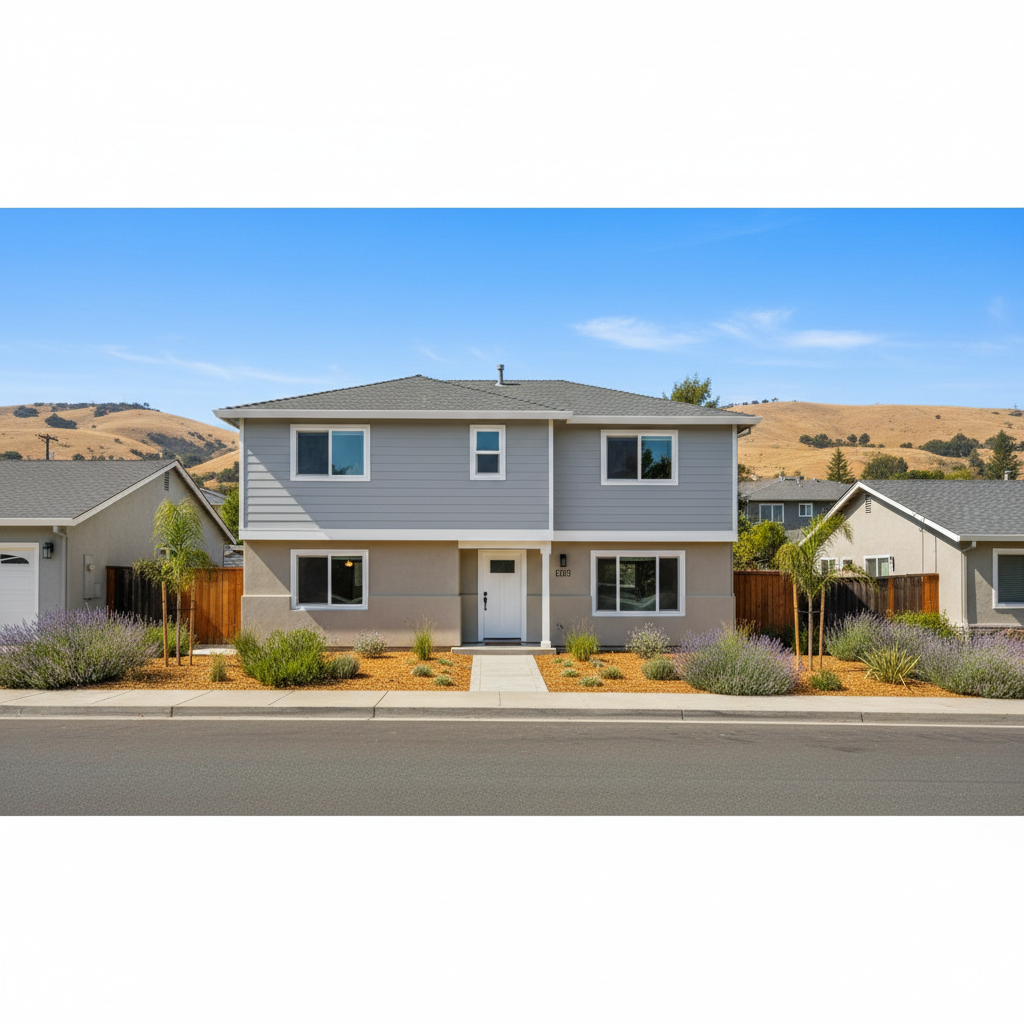
So, you're looking at your house, maybe you've got some old, beat-up stucco, or you just don't like the look anymore. And you're thinking, 'Hey, maybe I should just rip this stuff off.' I hear that a lot, especially from folks who've just bought a place in, say, the Dana Estates neighborhood, where a lot of homes got stuccoed way back when.
Why Even Think About Stucco Removal?
There are a few big reasons why people in Concord decide to remove stucco. Sometimes, it's just how it looks. Tastes change, and that textured finish from the 70s or 80s might not be what you're going for today. But often, it's more practical. You might have stucco that's been patched a dozen times, or it's just failing. We see a lot of older stucco that wasn't put on correctly, or it's taken a beating from our hot Concord summers and cooler, damp winters, leading to cracks, delamination, or even moisture issues underneath. If water is getting behind the stucco, you've got bigger problems than just an ugly exterior, right?
It's Not Just 'Tearing It Off'
Look, stucco removal isn't like peeling wallpaper. It's a serious undertaking. First off, stucco is heavy. Really heavy. We're talking about layers of cement, sand, and lime, often over wire lath. You can't just grab a crowbar and go to town. You'll need specialized tools, and frankly, a lot of muscle. Plus, there's always the question of what's underneath. Sometimes, you find original siding that's in decent shape, but other times, you uncover a mess of damaged sheathing, old tar paper, or even some dry rot. That's why a proper assessment is crucial before you even start swinging a hammer.
The Local Angle: What's Underneath?
Here in Concord, especially with homes built before the 1980s, you might find original wood siding – redwood or cedar are common – that's been covered up. Or, you might find an older, less durable siding that was never meant to be a final finish. We've seen everything from perfectly preserved redwood to severely rotted plywood. The original construction methods vary wildly, even within a few blocks. For instance, homes built in the 50s and 60s often have different framing and sheathing than those built in the 70s or 80s. You also have to consider lead paint or asbestos. Older stucco, or the layers underneath, can sometimes contain these materials, which means you can't just demo it without proper safety precautions and disposal.
What Happens After the Stucco Comes Off?
This is where the real planning comes in. Once the stucco is gone, you're left with a blank slate, but also a raw exterior. You'll need to decide on your new exterior finish. Are you going to put up new siding – maybe fiber cement, wood, or vinyl? Or are you planning to re-stucco with a modern, more durable system? This is a big decision, and it impacts everything from your home's curb appeal to its energy efficiency. You'll also need to consider your building envelope. This means making sure your sheathing is sound, your weather barrier is properly installed, and all your windows and doors are flashed correctly. You don't want to go through all that work just to have water infiltration problems down the road.
Why Local Expertise Matters for This Job
Choosing a contractor who understands Concord's specific housing stock and climate is key. I've been doing this for years with Concord Stucco & Plastering, and I can tell you, knowing what to expect when you start peeling back layers on a 1960s ranch house versus a newer build makes a huge difference. We know the common issues, the types of materials used historically, and what permits you'll need from the city. We also understand the impact of our intense summer heat on new materials and how to properly prep for it. You don't want someone from out of the area guessing about what's behind your walls; you want someone who's seen it a hundred times.
Stucco removal is a big project, no doubt. But with the right approach and the right team, it can transform your home. Just make sure you're going into it with your eyes wide open about the process and what comes next.