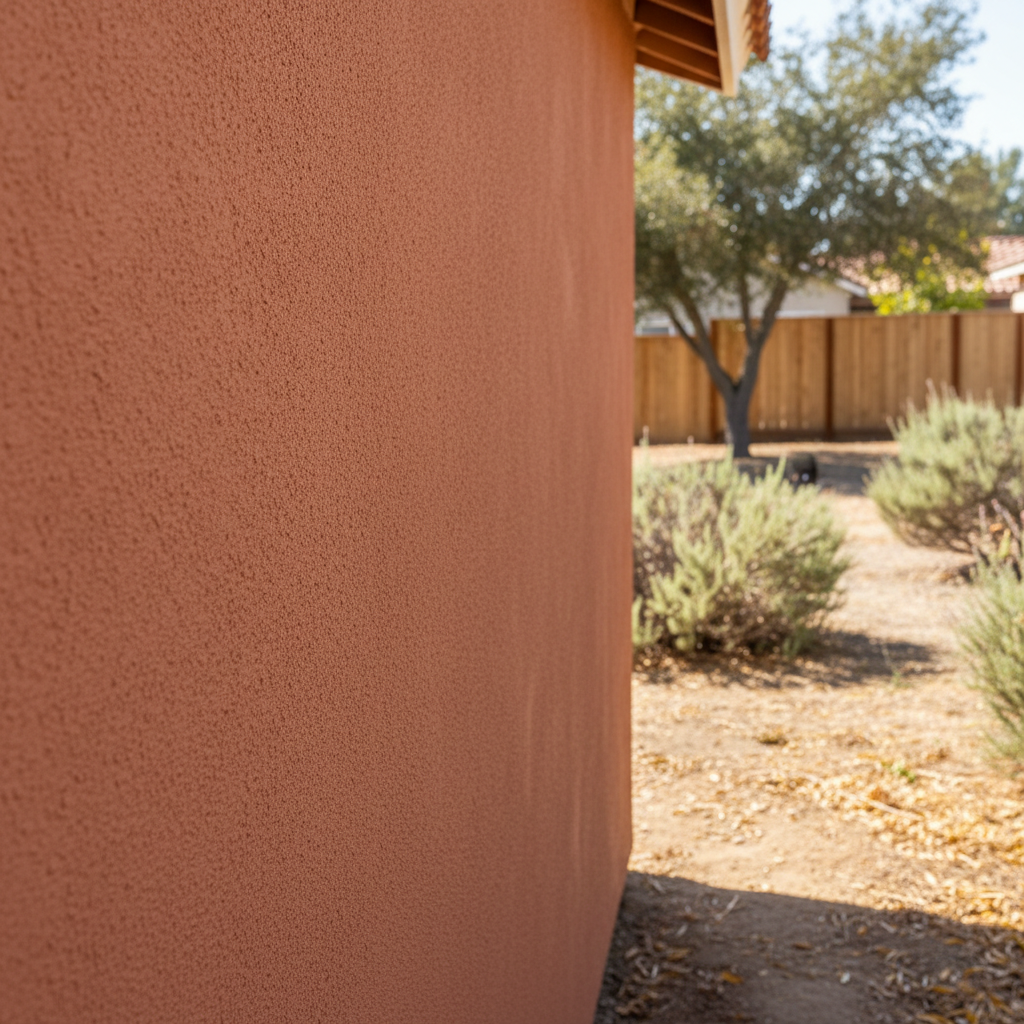
Alright, let's talk redashing. I get a lot of calls from folks in Concord with questions about their stucco, especially when it's looking a little tired. Redashing is a big job, and you want to make sure you're doing it right. So, I've put together answers to the most common questions I hear. No fluff, just what you need to know.
What's the difference between redashing, recoating, and repainting stucco?
This is probably the most common question I get. And it's a good one! People often use these terms like they mean the same thing, but they really don't. Repainting stucco is exactly what it sounds like: you're just putting a new coat of paint over the existing stucco. It's the cheapest option, sure, but it won't fix any underlying texture issues or major cracks. It's purely cosmetic.
Recoating is a step up. This usually means we're applying a new, thin layer of finish coat — sometimes called a fog coat or skim coat — directly over the stucco that's already there. It can refresh the color and hide minor imperfections. But don't expect it to add significant structural integrity or change the texture much. Think of it as a heavy-duty paint job, just with a bit more body.
Redashing, on the other hand? That's a much more involved process. We're talking about putting on a brand new finish coat, often with a completely different texture, over the existing stucco. This usually requires a proper bond coat or an acrylic base coat first, just to make sure everything sticks well. It's a complete transformation of the exterior's look and feel, and it can cover up more significant damage, minor cracks, and totally change the color and texture. It's a more durable, longer-lasting solution than just painting or a light recoat.
Can I change my stucco texture when I redash?
Absolutely! That's one of the main reasons people go for a redash. If you've got that old, rough sand finish and you're dreaming of a smoother Santa Barbara or a more modern fine-sand look, redashing is your ticket. Since we're applying a whole new layer of finish material, we can create just about any texture you want. We'll often put down a new base coat first to ensure a uniform surface, then apply the new finish coat with the texture you picked. It's a great way to update your home's curb appeal without tearing everything off, you know?
How long does a redashed stucco exterior typically last?
When it's done right, a quality stucco redash should last you a very long time — easily 20 to 30 years, sometimes even more. It's not a temporary fix. The longevity really depends on a few things: the quality of the materials we use, the skill of the application, and how well you maintain it. Using good acrylic finishes, for example, makes a huge difference in durability and color retention compared to traditional cement-based finishes. Here in Concord, with our hot summers and occasional heavy rains, choosing the right materials and an experienced crew like Concord Stucco & Plastering is key to getting that long lifespan.
Will redashing fix all the cracks in my old stucco?
Okay, this is important. Redashing can hide and bridge minor hairline cracks, especially if we use an acrylic finish coat that has some flexibility. However, it's not a magic bullet for structural cracks or larger, active cracks. If you've got significant cracking — especially around windows or corners, or cracks that are wider than a credit card — those need to be properly addressed and repaired before we even think about redashing. We'll usually grind them out, apply a patch, and sometimes even use a mesh tape to reinforce the area. If we just redash over big cracks, they're likely to reappear pretty quickly. We always inspect the existing stucco thoroughly to make sure we're not just covering up a bigger problem.
What's the typical timeline for a stucco redashing project?
The timeline can vary quite a bit depending on your house's size, the complexity of its architectural details, and the weather. For an average-sized single-family home in, say, the Dana Estates area, you're usually looking at anywhere from 5 to 10 working days. That includes prep work like pressure washing and masking, any necessary crack repairs, applying bond coats, and then the actual finish coat application. Then there's drying time, which is crucial. We can't rush that. If it's a larger or more intricate home, or if we hit a patch of unexpected rain, it could take longer. We'll give you a clear estimate on the timeline once we see your property.
Do I need to get permits for stucco redashing in Concord?
This is a question that often catches homeowners off guard. Generally, if you're just doing a cosmetic redash or recoat that doesn't involve structural changes or altering the building's envelope in a significant way, you might not need a permit. However, if the redashing involves removing existing stucco down to the lath, or if you're adding new insulation, or if there's any structural repair involved, then yes, you'll likely need a permit from the City of Concord's building department. It's always best to check with a professional contractor who knows the local codes, or even call the city yourself, to be absolutely sure. You don't want to get halfway through a project and find out you're in violation.
How do I choose the right color and texture for my redash?
Choosing the right color and texture is a big decision because it's going to be on your house for decades! I always recommend looking at homes in your neighborhood that you like. Take photos. Think about your home's architectural style – a Mediterranean style might look great with a smooth Santa Barbara finish, while a more traditional ranch might suit a medium sand finish. For colors, consider your roof color, trim color, and even your landscaping. We can provide samples and color swatches, and often we'll do a small test patch on an inconspicuous area of your house so you can see how the color looks in different light throughout the day. Don't be afraid to take your time with this part; it's worth getting it right.
What kind of maintenance does redashed stucco require?
Once your stucco is redashed, it's pretty low maintenance, which is one of its big appeals. The main thing is to keep it clean. A good wash with a garden hose once a year, or a gentle pressure wash every few years, will keep dirt and grime from building up. You want to make sure your sprinklers aren't constantly hitting the stucco, as that can lead to algae growth over time. Also, keep an eye out for any new cracks, especially around window and door openings or where different materials meet. If you see anything, it's best to address it early. Regular inspections can catch small issues before they become big, expensive problems.