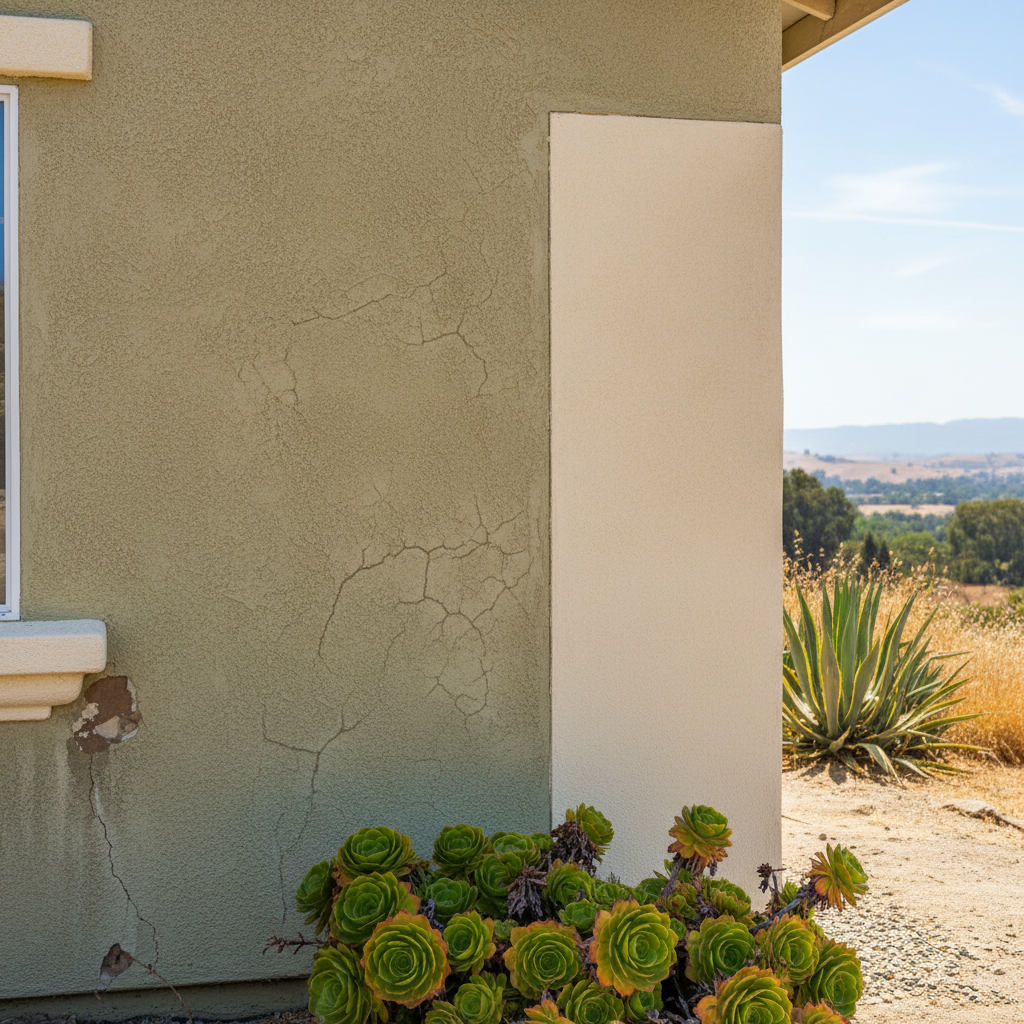
Alright, so your stucco's looking a little tired, maybe faded, or you're just ready for a fresh color. You know it's time to paint, but then you start looking at the options and suddenly it's not as simple as picking a color. The big question usually comes down to two main types of paint: standard acrylic or elastomeric. What's the real difference, and which one's right for your Concord home?
Standard Acrylic Stucco Paint: The Everyday Choice
Most folks are familiar with standard acrylic paint. It's what you'll find on a lot of homes, and for good reason. It's generally more affordable upfront, comes in a huge range of colors, and it's pretty easy to put on. If your stucco is in great shape – no cracks, no water damage, just needs a cosmetic refresh – then a good quality acrylic paint can do the trick.
- Cost: This is usually the cheapest option per gallon and for labor. If budget is your absolute top priority and your stucco is flawless, it's a strong contender.
- Durability: It holds up well against UV rays and general weathering. You'll get a solid 5-10 years out of it before you might start seeing significant fading or chalking, especially with our hot Concord summers.
- Maintenance: Pretty low. Just wash it down occasionally to keep it clean. If you get a small crack in the stucco underneath, the paint will crack right along with it, so you'll need to patch and repaint that section.
- Appearance: Looks great when first applied. It gives a nice, even finish.
Elastomeric Stucco Paint: The Heavy-Duty Protector
Now, elastomeric paint is a different beast entirely. Think of it as a super-thick, flexible coating. It's designed specifically for masonry surfaces like stucco, and its main superpower is its ability to stretch. This stuff can expand and contract with your stucco, bridging hairline cracks and preventing new ones from forming as the house settles or the temperature changes.
- Cost: Expect to pay more for the material itself, and sometimes a bit more for labor because it's thicker and can be a bit trickier to apply correctly. It's an investment, no doubt.
- Durability: This is where elastomeric shines. It's incredibly durable and resistant to water penetration. Because it can bridge those tiny cracks, it offers superior protection against moisture getting into your walls – a big deal for stucco. You can easily get 15-20 years out of a good elastomeric job. It's a lifesaver for older homes in areas like the Dana Estates or Sun Terrace neighborhoods where you might have some minor foundation movement or just decades of wear and tear.
- Maintenance: Very low. Its flexibility means it's less likely to show minor stucco cracks. It's also highly resistant to mildew and dirt pickup. You'll still want to wash it, but it generally stays cleaner longer.
- Appearance: It tends to have a slightly thicker, sometimes almost rubbery appearance compared to standard acrylic. Some people love this look; others prefer the thinner finish of acrylic. It comes in plenty of colors, but maybe not quite the same endless palette as standard acrylics.
My Take and Recommendation for Concord Homeowners
Look, if your stucco is brand new, perfectly smooth, and you're planning to sell in a few years, a good quality standard acrylic paint might be all you need. You'll save some money upfront, and it'll look sharp for the sale.
But for most homes here in Concord, especially those built before the 2000s, I'm going to lean heavily towards elastomeric paint. Here's why:
- Cracks Happen: Stucco cracks. It's a fact of life, especially with our temperature swings and the way homes settle over time. Elastomeric paint is designed to handle these hairline cracks, preventing them from becoming bigger problems that let water in. Water intrusion is the enemy of stucco, leading to rot, mold, and expensive repairs down the line.
- Moisture Protection: We get our share of rain, and while it's not Seattle, any moisture that gets behind your stucco can cause major issues. Elastomeric acts like a flexible, waterproof shield.
- Long-Term Value: While the initial cost is higher, the extended lifespan and superior protection offered by elastomeric often mean you're painting less often and avoiding costly repairs. It's an investment that pays off.
- Concord Conditions: Our hot, dry summers and occasional heavy rains put stucco through its paces. The flexibility and durability of elastomeric paint are just better suited to these conditions over the long haul.
When I'm doing a painting job for Concord Stucco & Plastering, and the homeowner asks for my honest opinion, I'll always recommend elastomeric if their budget allows and their stucco isn't absolutely pristine. It's just a smarter, more protective choice for the typical stucco home around here.
Ultimately, the best choice depends on your stucco's current condition, your budget, and how long you plan to stay in your home. But don't just pick the cheapest option without considering the long-term benefits of a product like elastomeric. You'll thank yourself later.