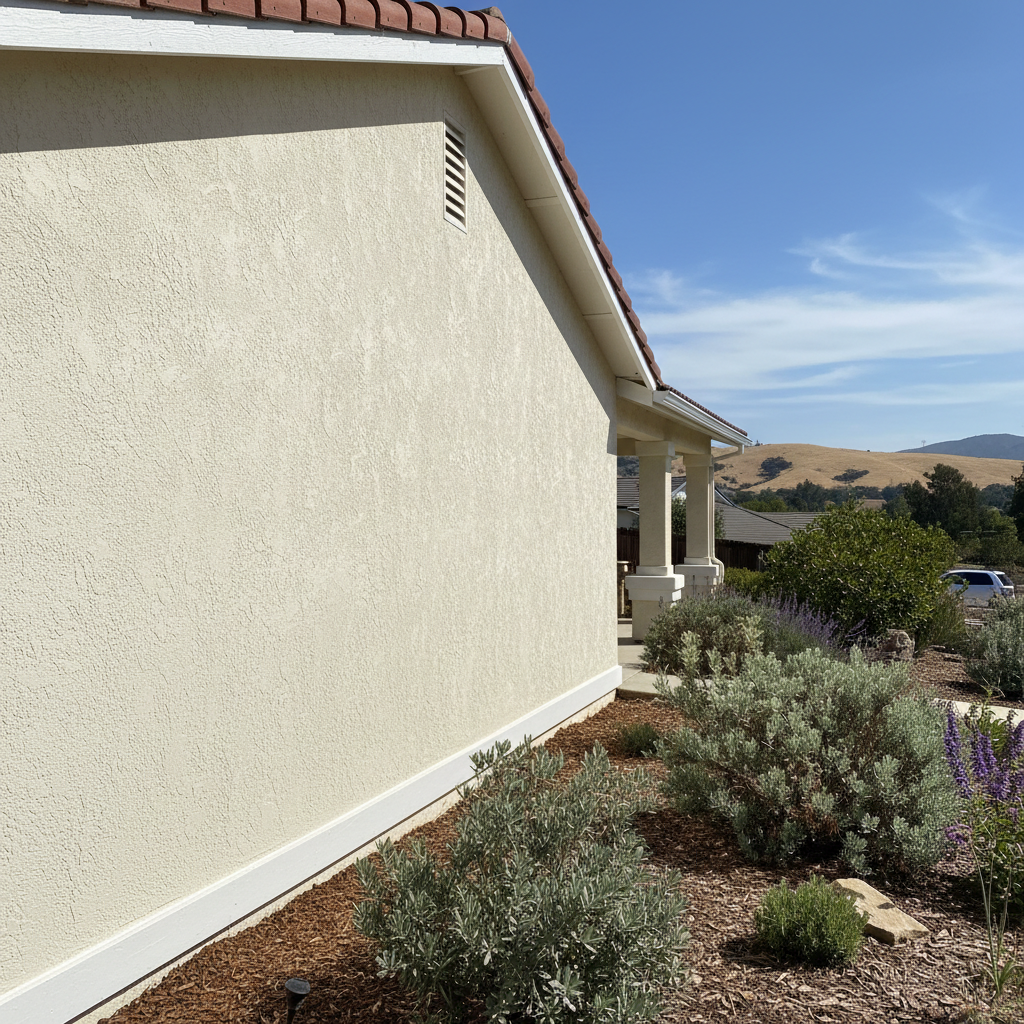
You've got stucco on your Concord home, and naturally, you want it to look good and protect your investment for years to come. That's just smart thinking. Stucco's tough, yes, but it's not invincible, especially with our California climate throwing everything at it. I've personally seen a lot of stucco in this town, from the older homes in the Dana Estates area to the newer builds near Lime Ridge, and I can tell you this much: a little regular care goes a very long way.
Extending Your Stucco's Life: The Basics
The single biggest thing you can do to make your stucco last longer is to keep water from getting behind it. Sounds simple, right? But believe me, that's where most problems really start. Here's what I recommend:
- Keep it Clean: Dirt, dust, and even mildew can build up, particularly on those north-facing walls that don't get much sun. A gentle wash with a garden hose and a soft brush is usually all you need. For tougher spots, try a mild detergent mixed with water. Just make sure to rinse everything thoroughly. And please, don't use a high-pressure washer too close; you could damage the finish or even force water into tiny cracks.
- Maintain Your Gutters and Downspouts: This is huge, honestly. Clogged gutters overflow, sending water cascading right down your stucco walls. That's a direct invitation for moisture to get in. So, make sure they're clear, and that downspouts direct water well away from your foundation.
- Trim Landscaping: Bushes, trees, and vines growing directly against your stucco? Not a good idea. They trap moisture, block air circulation, and can even physically damage the surface. Keep them trimmed back at least 6-12 inches.
- Seal Around Openings: Windows, doors, and any penetrations like dryer vents or hose bibs are prime spots for water intrusion. Check the caulking around these areas every year. If it's cracked, dried out, or missing, clean it out and re-caulk it. Use a good quality exterior caulk that's specifically rated for stucco.
Regular Maintenance: What to Look For
Think of it like checking the oil in your car. A quick visual inspection a couple of times a year can save you a lot of headaches and money down the road. Just walk around your house and really look at the stucco.
- Hairline Cracks: These are pretty common and often just surface-level. They happen as the stucco expands and contracts with temperature changes. A few tiny cracks aren't usually a major concern, but keep an eye on them. If they grow or widen, well, that's a different story.
- Discoloration or Stains: Dark streaks, especially under windows or near the roofline, often point to water runoff problems. Green or black patches could be mildew or algae, which means moisture is lingering.
- Soft Spots: If you see a suspicious area, gently press on it. If the stucco feels soft or spongy, or if it crumbles easily, you've got a problem. This is a strong indicator of water damage behind the stucco.
- Bulges or Blistering: These are serious red flags. They suggest that moisture has gotten behind the stucco and is causing it to separate from the wall structure.
Warning Signs of Bigger Problems
While hairline cracks are usually minor, some cracks are a definite call for concern. If you see cracks that are wider than a credit card, or if they run horizontally or in a stair-step pattern — especially near corners or foundations — you should be worried. These could indicate structural issues, not just stucco problems. Also, if you notice efflorescence – that white, powdery residue – it means water is moving through the stucco and depositing salts on the surface as it evaporates. It's a clear sign of moisture intrusion.
When to Call a Professional
Look, I'm a big believer in DIY when it's appropriate. But some jobs are just best left to the pros. You should definitely call someone like us at Concord Stucco & Plastering if you see:
- Wide or structural cracks: As I mentioned, anything wider than a credit card, or cracks that suggest foundation movement.
- Large areas of spalling or crumbling stucco: If big chunks are coming off, or the surface is deteriorating rapidly.
- Persistent water stains or mildew that won't go away: This means you've got an ongoing moisture problem that needs to be tracked down and fixed properly.
- Bulges, blisters, or soft spots: These almost always mean water has gotten behind the stucco and is causing damage to the underlying sheathing or framing. You can't just patch these; you need to find the source of the water and repair the damage.
- Any signs of pest infestation: Termites love damp wood, and if water is getting behind your stucco, you could be creating a perfect environment for them.
Don't wait until a small issue becomes a huge, expensive repair. Catching these problems early is key. A professional inspection can pinpoint the cause of the issue and recommend the right course of action, saving you money and stress in the long run.